Best Garage Door Openers 2026: A Tech's Honest Picks
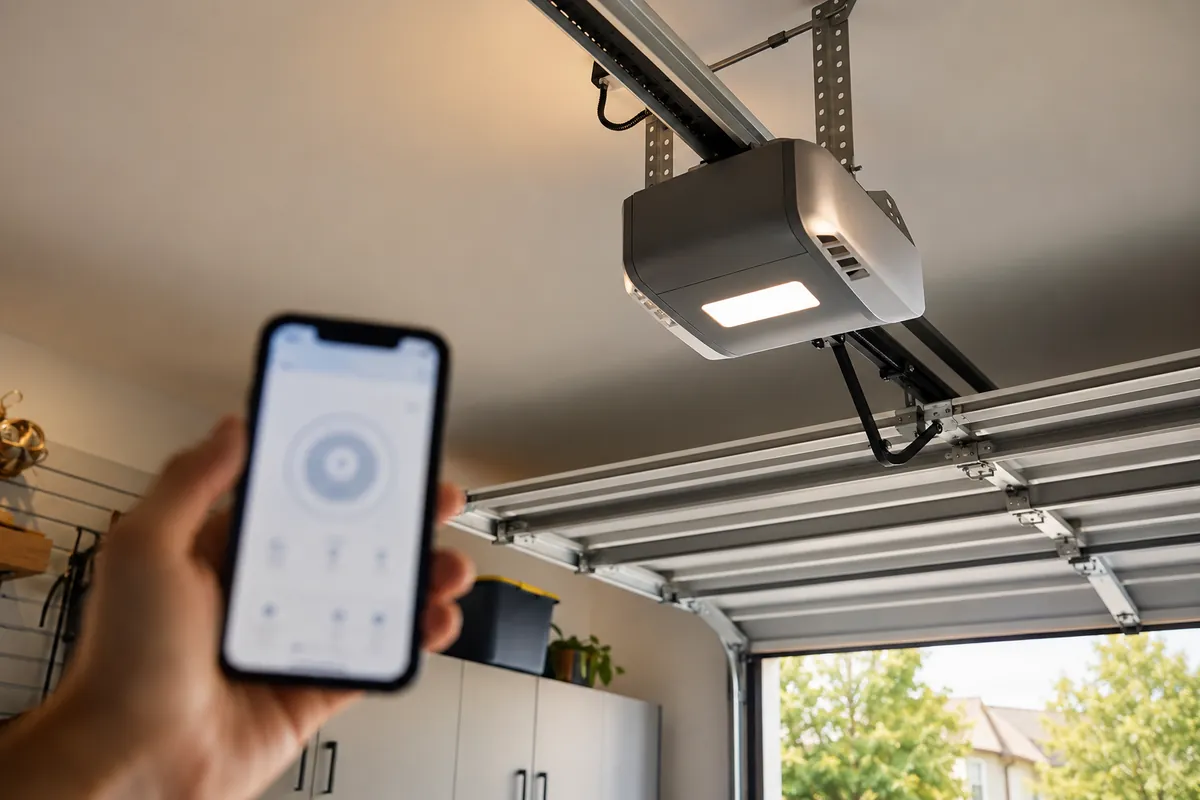
Best garage door opener: for most homes the right answer is a belt-drive opener with battery backup and built-in Wi-Fi, and a LiftMaster or Chamberlain belt drive is what I install most often. That covers maybe eight out of ten houses I walk into.
I have been installing and servicing openers for 14 years. I have hung the cheap ones, the loud ones, the smart ones that lost their minds during a firmware update, and the boring workhorses that just run for 15 years and ask for nothing. So this is not a spec sheet I copied off a box. These are the openers I actually bolt to ceilings and the reasons I pick one over another.
One thing up front: the opener does not lift the door. The springs do. The opener just guides it the last few inches and holds it. If your door is hard to lift by hand, no opener on this list will fix that, and a powerful opener fighting a bad spring will burn out fast. If that sounds like your situation, read my spring replacement cost guide before you spend a dime on an opener.
The Four Drive Types, Ranked by How I Actually Use Them
There are four ways an opener moves the trolley along the rail. The drive type matters more than the brand for noise, and noise is the number one complaint I hear.
Belt drive (my default pick)
A reinforced rubber belt, usually with steel or fiberglass cords inside, pulls the trolley. It is the quietest option by a wide margin. There is no metal-on-metal contact along the rail, so you get a soft hum instead of a rattle. If the garage shares a wall or ceiling with a bedroom, a belt drive is the only thing I will install without arguing about it. Belts cost a bit more than chains and they can wear over a decade, but a quality belt outlasts most people's patience for their house.
Chain drive (fine for detached garages)
A metal chain does the pulling, like a bicycle chain. It is cheap, durable, and loud. For a detached garage or a shop where nobody is sleeping nearby, a chain drive is honestly a smart buy. The noise that drives people crazy under a bedroom is a non-issue 40 feet from the house. Chains stretch over time and need occasional lubrication, but they are forgiving and they last.
Screw drive (niche, declining)
A threaded steel rod turns and the trolley rides along it. Fewer moving parts, decent power, but they are sensitive to temperature swings and want regular lubrication on the rod. I see far fewer of these every year. I would not seek one out today, but if you have a working one, keep it greased and let it run.
Wall-mount jackshaft (the premium option)
Instead of a motor on the ceiling, a jackshaft opener mounts on the wall beside the door and turns the torsion bar directly. No rail across the ceiling at all. I install these for three reasons: very high doors where a standard rail will not reach, garages where you want the ceiling clear for storage or a car lift, and customers who simply want the cleanest, quietest setup money buys. The LiftMaster 8500W and the Sommer wall-mount units are what I reach for. They cost more and they need a properly balanced torsion door to work right, but they are excellent.
Power: HP, Newtons, and Why the Number Lies a Little
Opener power is marketed in horsepower (0.5, 0.75, 1.0, 1.25 HP) or, on belt models, in Newtons of force. Here is the honest version: a well-balanced single door barely needs 0.5 HP, and a balanced double door is happy at 0.75 HP. The force rating exists to move the door, not to overpower a problem.
| Door type | What I install | Notes |
|---|---|---|
| Single, light steel | 0.5 to 0.75 HP belt | More than enough |
| Double, insulated steel | 0.75 to 1.25 HP belt | My most common job |
| Heavy wood or full-view glass | 1.25 HP belt or jackshaft | Weight matters here |
| Very tall or low-headroom | Wall-mount jackshaft | Clears the ceiling |
If a salesperson is upselling you to the biggest motor "to be safe," be skeptical. A 1.25 HP motor straining against a broken spring still fails. Balance first, then size the motor to the door.
Smart Features: myQ, Wi-Fi, and What's Worth It
Most current LiftMaster and Chamberlain openers run the myQ platform with Wi-Fi built in. You get phone control, open/close alerts, and history. I like knowing whether I left the door up. That part is genuinely useful.
The friction: myQ has charged for some integrations in the past, and direct ties to other smart-home platforms have come and gone. If you live in a specific ecosystem, check current compatibility before you buy, because it changes. Genie uses its own Aladdin Connect app, which works fine. Sommer offers smart control too. None of these are a reason to buy a worse opener. Buy the right drive type first, then treat the app as a bonus.
A few add-ons I do recommend: a wireless keypad for the outside so kids and contractors can get in without a remote, and a wall console with motion-sensing light. Spare remotes are cheap insurance.
Battery Backup Is Not Optional in Some States
California requires battery backup on residential garage door openers, and other states have followed or are considering it. The reason is grim and real: people have died trapped in garages during power outages and wildfires because they could not get the door up, and the Consumer Product Safety Commission tracks garage door entrapment and opener safety for exactly this reason. A backup battery lets the opener cycle the door several times with the power out.
Even where it is not required, I push it. Outages happen at the worst times. Most current LiftMaster and Chamberlain belt models include battery backup or offer it as a clean add-on. If you are in a state that mandates it, the opener must have it, so do not buy a bare-bones model that does not support one.
My Actual Picks for 2026
I am not loyal to a logo. I am loyal to openers that do not generate callbacks. Here is where each brand earns its spot.
LiftMaster and Chamberlain belt drives (best for most homes)
LiftMaster and Chamberlain are the same parent company, with LiftMaster sold through dealers and Chamberlain at retail. The internals overlap heavily. A belt-drive model with battery backup and myQ Wi-Fi is my default recommendation. Quiet, reliable, easy to get parts for. This is the boring correct answer.
Genie (best value)
Genie belt and chain models run well and usually cost a little less. Their Aladdin Connect app is solid. If budget is tight and you want a belt drive without the LiftMaster price, Genie is a legitimate pick, not a compromise. I have plenty of Genie units running fine in the field.
Sommer (best quiet operation)
Sommer makes a genuinely quiet direct-drive opener where the motor rides on the rail, plus strong wall-mount units. German engineering, fewer dealers, but the people who buy them tend to love them. If silence is your top priority and you do not want a jackshaft, Sommer is worth a look.
Wall-mount jackshaft (best for clear ceilings)
When the ceiling needs to stay open or the door is tall, the LiftMaster 8500W is my go-to.
Do Not Buy: The Cheapest Chain Drive for a Bedroom-Adjacent Garage
This is the mistake I get called back to fix more than any other. Someone buys the cheapest half-horsepower chain drive on the shelf to save 60 dollars, bolts it to a ceiling under a bedroom, and then lives with a metallic rattle every morning at 6:45 when a kid leaves for school. There is no setting that fixes it. The drive type is the noise. You end up either ripping it out and buying a belt anyway, which means you paid twice, or you suffer.
If the garage is detached or it is a shop, a cheap chain drive is fine and I will not talk you out of it. Under living space, spend the extra and get a belt. Every time.
Frequently Asked Questions
Is a belt drive or a chain drive opener better?
For any garage that shares a wall or ceiling with living space, a belt drive is better because it runs far quieter, with a soft hum instead of the metal-on-metal rattle a chain makes. A chain drive is only the smart pick for a detached garage or a shop where the noise does not reach anyone. The drive type is the noise, so I choose it first, before brand or price.
How much horsepower do I need in a garage door opener?
Less than salespeople tell you. A well-balanced single door is fine on 0.5 to 0.75 HP, and a balanced double door is happy at 0.75 to 1.25 HP. The opener guides the door, it does not lift it, so a bigger motor does not fix a heavy or poorly sprung door. Size the motor to a balanced door, not to a problem.
Do I really need battery backup on a garage door opener?
In California it is legally required on residential openers, and several other states are following. Even where it is not mandated, I push it, because power outages happen at the worst times and people have been trapped in garages during outages and wildfires. A backup battery cycles the door several times with the power out, which is cheap insurance for a real risk.
Are smart Wi-Fi openers with myQ worth it?
The phone control and open or close alerts are genuinely useful, and most current LiftMaster and Chamberlain openers include Wi-Fi. The catch is that integrations with other smart-home platforms have come and gone and some have carried fees, so check current compatibility for your ecosystem before you buy. Treat the app as a bonus, not a reason to buy a worse opener.
What is the quietest garage door opener?
A wall-mount jackshaft opener is the quietest because it mounts beside the door and turns the torsion bar directly, with no rail rattling across the ceiling at all. If you want quiet without going jackshaft, a belt drive or a Sommer direct-drive unit is the next best thing. Quiet operation comes down to the drive type far more than the brand.
Can I install a new opener on my old garage door?
Usually yes, as long as the door is balanced and the springs are healthy, because the opener only guides a door the springs already lift. If the door is hard to raise by hand, fix the springs first, since a strong opener fighting a bad spring just burns out faster. Run the balance test before you spend a dime on an opener.
What This Comes Down To
Pick the drive type for your noise situation first: belt under living space, chain for a detached shop, jackshaft when the ceiling needs to be clear. Get battery backup, especially if your state requires it. Size the motor to a balanced door, not to a problem. And remember the opener is only as good as the springs and cables behind it. If your door is heavy by hand or acting strange, start with my troubleshooting guide or my maintenance routine, and if you want a vetted local installer, browse the pros directory. A 200 dollar opener bolted over a 400 dollar spring problem is money lit on fire.